Last updated November 25, 2026
How to Hire an ADU Contractor in Rancho Cordova: A Step-by-Step Guide
The most common contractor mistake Rancho Cordova homeowners make isn’t hiring someone cheap. It’s hiring a skilled remodeler who has never pulled an ADU permit in Sacramento County and treats the project like a large bathroom addition. Framing a garage conversion or a detached unit to code is a different discipline than a kitchen remodel, and the person you hire needs to know the difference.
This guide walks through the contractor models available to you, the license questions that matter, permit-fluency interview questions most homeowners never think to ask, and a contract checklist built around ADU milestones rather than calendar dates. You’ll finish with a clear picture of what to vet before you sign anything.
Quick Answer
Hiring an ADU contractor in Rancho Cordova comes down to verifying three things: that the contractor can pull permits in their own license for your specific project type, that they have recent ADU experience in Sacramento County and know what correction notices actually look like here, and that your contract ties payments to permit and construction milestones. Choose a design-build firm when you want one accountable party from plans to final inspection, and confirm who owns the permit before work begins.
Table of Contents
- The Three Contractor Models and What Each Really Costs You
- Why Permit Fluency Decides Your ADU Project
- Contractor Licenses in California: What’s Required and for What Scope
- Permit-Fluency Interview Questions to Ask
- The ADU Contract Checklist
- Red Flags Specific to ADU Contractors
- Custom Build vs. Prefab: How the Decision Shifts the Hiring Process
- Common Mistakes to Avoid
The Three Contractor Models and What Each Really Costs You
Homeowners tend to think of “hiring an ADU contractor” as one decision. It’s actually three different models, each with a different accountability structure. Understanding the trade-offs before you request bids will save you from comparing prices that aren’t really comparable.
1. Design-Build
One company handles design, permit filing, and construction. You have a single point of accountability when something goes sideways, and there’s no handoff gap between the designer who drew the plans and the builder who has to construct them. A firm that works this way can resolve a plan review comment by revising the drawings and refiling without your involvement in the back-and-forth. That’s how ADU builders structured around design-build tend to operate: drafting, submittal, and building under one roof.
2. General Contractor Only
You hire an architect or designer separately, then bid the construction to a GC. This can work well if you have a strong design relationship and the designer is comfortable carrying the plan through correction cycles. The risk is the seam between design and build. When a plan review comment lands, you may find yourself mediating between the designer who needs to revise and the builder who can’t start until the revision clears. Accountability splits, and timelines stretch.
3. Owner-Managed Subcontractors
You act as your own GC and hire trades directly. This is the cheapest on paper and the most expensive in time. You’re responsible for sequencing, scheduling, and code compliance coordination, and most homeowners underestimate how much of an ADU project is that coordination rather than the physical work. If you go this route, do it only with significant construction management experience and genuinely available hours.
Why Permit Fluency Decides Your ADU Project
ADU projects are permit-driven in a way that residential remodels aren’t. A detached unit or a conversion touches zoning, setback, height, utility connections, and life safety, all at the same time. A builder who is excellent at framing but sloppy at plan submittal will stall your project in review, and each correction cycle on a plan set can add real time before a shovel ever touches the ground.
Permit fluency isn’t a license or a credential. It’s a working knowledge of how a specific jurisdiction reviews a specific project type. In practice, that means knowing:
- What the plan reviewer tends to comment on for the format you’ve chosen
- How the plan set needs to be organized and labeled for the submittal to move cleanly
- Which agencies weigh in and in what order when multiple approvals are involved
- What the last few correction notices this contractor received actually said
- How to interpret a comment as a design fix rather than a resubmittal scramble
Permit delays are the single most common reason ADU projects stall. A contractor who treats permit management as a core service, rather than an afterthought delegated to whoever draws the plans, is protecting your schedule before construction even starts. That’s why we handle permit filing as a defined service rather than leaving it to the homeowner. The rules themselves depend on the city and the lot, so we confirm the specifics with the city’s planning or building department before any plans are final.
Contractor Licenses in California: What’s Required and for What Scope
California classifies contractors by license type, and the license needs to match the work being performed on your specific project. For an ADU, the pieces usually involve more than one license category, so it helps to know who’s holding what before you sign anything.
- B – General Building Contractor. The license most residential construction falls under. A B-licensed contractor can take a project with multiple trades under a single contract and typically subcontracts the trade-specific work. This is the license to look for on your construction contract for a detached unit, garage conversion, or home addition.
- A – General Engineering Contractor. Covers fixed works, generally not residential ADU construction. If someone presents this as their primary license for a residential ADU, ask further questions.
- C-class specialty licenses. Plumbing, electrical, and mechanical work each belong to a specialty classification. If your general contractor subcontracts those trades, confirm the subs hold their own current licenses.
- Design and drafting. Plans can be prepared by licensed architects, licensed engineers, or unlicensed drafters working under certain scopes. The permit applicant signature on a design does not always translate into construction authority.
Two clean rules to carry into every conversation. First, the construction contract should be signed by a licensed contractor in the correct classification. Second, the permit should be pulled in that same licensed contractor’s name, not in yours as an owner-builder unless you’re genuinely acting as your own GC. Pulling a permit on your own license shifts responsibility to you, and that’s rarely what a homeowner wants when a plan correction lands. Ask who’s on the permit and write the answer into the contract.
All licensing and insurance for the local professional you work with should be current and verifiable through the state licensing board. We don’t quote license numbers in this guide; what we recommend is that you look them up directly before you sign.
Permit-Fluency Interview Questions to Ask
These are the questions that separate an ADU specialist from a skilled remodeler who’s willing to try an ADU. Ask them directly and listen to how specific the answers are. A vague answer to a specific question is your signal.
- “How many ADU permits have you pulled in Sacramento County, and in what format?” Ask for a range and for the formats. If they can’t distinguish detached, conversion, and Junior ADU scopes in their answer, they don’t work this trade regularly. Our own specialty is that ADUs are all we do, every format, and that’s the standard to expect from the contractor you hire.
- “What did your last correction notice say, and how did you resolve it?” This is the test most homeowners miss. A contractor who can’t describe a real correction comment and the specific fix doesn’t have permit fluency. The exact wording matters less than whether they understand how review comments translate into plan changes.
- “Who’s on the permit, and who files the submittals?” You want to hear that the contractor is on the permit in their own license and that they handle filing. If the answer is “you’ll file it as an owner-builder” and you didn’t ask for that, walk.
- “If the jurisdiction requires a redesign, what happens and who pays?” Get a clear answer in writing before work begins. The contract should spell out whether a design change triggered by plan review is included in the stated scope or triggers a new estimate.
- “How do you handle the plan set for a garage conversion versus a detached unit?” The scopes demand different drawing sets. A contractor who answers with the same process for both isn’t thinking about the format, and the format determines the review path.
- “Can you show me a permit you pulled in the last year for an ADU in this county?” Not a portfolio photo of a pretty kitchen. A permit record for an ADU in this jurisdiction. Public permit records are verifiable.
The ADU Contract Checklist
An ADU contract is a different animal from a remodel contract because the project’s real risk lives at the permit stage. Here are the items to check before you sign, in the order that matters most.
- Payment schedule tied to permit milestones, not calendar dates. Look for draws aligned with plan submittal, permit issuance, foundation, framing, and final inspection. A schedule that pays a large percentage “at week four” puts your money ahead of progress.
- Who owns the permit, stated explicitly. The name on the permit line should match the licensed contractor’s name. If the contract is silent or vague, get it added.
- What happens if the jurisdiction requires redesign. Spell out whether plan-review-driven changes are included in the scope or trigger a written change order with a new estimate.
- Design fee credited toward the build contract. When the same firm designs and builds, ask whether the design fee is credited toward construction. It’s a fair question and the answer should be in writing.
- Scope of work defined by project format. A detached unit, a garage conversion, and a home addition carry different scopes. The contract should list the specific work for your format, not a generic ADU scope.
- Change order process. Who authorizes, how pricing is set, and whether the change requires a written estimate before work continues.
- Final inspection responsibility. Confirm the contractor is responsible for walking the project through to passed final inspection, not handing you a punch list and a sign-off.
Fixed pricing set per job by a written line-item estimate is the goal. The written estimate sets the final price, and anything that changes the scope should come as a written change order rather than an open-ended hourly bill.
Red Flags Specific to ADU Contractors
Some warnings are generic to all construction. These are the ones that show up specifically on ADU projects and should make you pump the brakes.
- Vague permit timelines. “Permits usually take a few months, depends on the city” without specifics about which format and which review path. A contractor who works ADUs regularly knows the general shapes of review and can talk about them without hiding behind “depends.”
- Unwillingness to pull permits in their own license. This is the biggest single red flag on an ADU project. An unwillingness to be on the permit usually means either a licensing gap, an insurance gap, or an avoidance of inspection exposure. None of those serve you.
- Design fees that aren’t credited toward the build contract. If the firm designs and builds but prices design as a separate line with no credit at build, ask why. It usually signals they’re comfortable with you paying for design and then shopping the build elsewhere, which isn’t a design-build relationship in any real sense.
- Pricing that holds up only if nothing changes. Correction cycles happen on ADU projects. If the estimate assumes zero plan-review comments, the scope is incomplete or the pricing conversation is one-sided.
- No distinction between project formats. Homeowners who ask for a Junior ADU and are quoted the same scope as a garage conversion, or vice versa, are talking to someone who hasn’t looked at the format. A junior ADU is a distinct project type and should be treated as one from the first conversation.
- Discounts for signing “today.” Any pressure to sign immediately, or to pay a deposit before you’ve reviewed the line-item estimate, is a reason to slow down.
Custom Build vs. Prefab: How the Decision Shifts the Hiring Process
Prefab units change what you need to vet in a contractor, but they don’t remove the need for one. A factory-built ADU still needs site work, utility connections, foundation or footing work, and a permit pulled and walked through inspection. The contractor piece is smaller than on a custom build, but not eliminate-able.
If you’re considering a prefab route, the strongest arrangement is working with a contractor who already knows how each brand’s platform differs and how each brand’s plans mesh with what a jurisdiction wants to see. Brand knowledge isn’t marketing. It’s familiarity with drawings, site requirements, delivery logistics, and inspection sequencing.
We work with Abodu, Cover, and Dvele alongside our custom construction work, and the honest value of that combination is comparison. You can sit in one conversation and see what fits your lot and your budget across prefab and custom options without calling four different companies. A prefab unit can shorten field construction time and give you more predictable costs than a fully custom build. What it doesn’t do is remove the permitting work, so the contractor who handles your site and permit needs to be fluent on both.
If you’re weighing the prefab and custom paths, this is the conversation to have before you commit to either. Start with a site walk, a format recommendation, and a written estimate. That’s the same opening for a detached unit, a conversion, or a unit we build in Rancho Cordova and the surrounding area.
Common Mistakes to Avoid
- Hiring a strong remodeler who has never pulled an ADU permit. Remodel experience is a real skill, but it isn’t permit fluency. A contractor learning ADU review paths on your project puts the schedule risk on your side of the table. Ask specifically about ADU permits in this jurisdiction, not general construction permits.
- Comparing bids that cover different scopes. A design-build bid that includes permitting isn’t comparable to a construction-only bid that leaves permit filing to you. Before you compare numbers, confirm that each bid covers the same work through final inspection.
- Skipping the correction notice question. Asking what a contractor’s last correction notice said is the single most useful thing you can learn in an interview. A contractor who can’t describe one doesn’t work ADUs regularly.
- Allowing the permit to be pulled in your name without deciding to be an owner-builder. If you didn’t intend to act as your own general contractor, the permit shouldn’t be in your license. Pulling in your name shifts code compliance and correction responsibilities onto you.
- Paying design fees to a firm that isn’t going to build the project. If you’re going to build, you want the design fee credited toward the construction contract. If the firm designs and doesn’t build, price the design separately and expect a separate construction bid.
- Assuming “detached” is the only format. Garage conversions, Junior ADUs, and home additions may fit the lot, the budget, and the goals better than a detached unit. A contractor should walk you through all of them, not just the format they build most, because the right solution depends on the lot.
- Accepting a vague timeline without a permit milestone. Calendar dates without permit events are guesswork. Ask for a schedule that shows plan submittal, permit issuance, foundation, framing, and final inspection as the milestones that trigger draws and progress.
When to Call a Professional
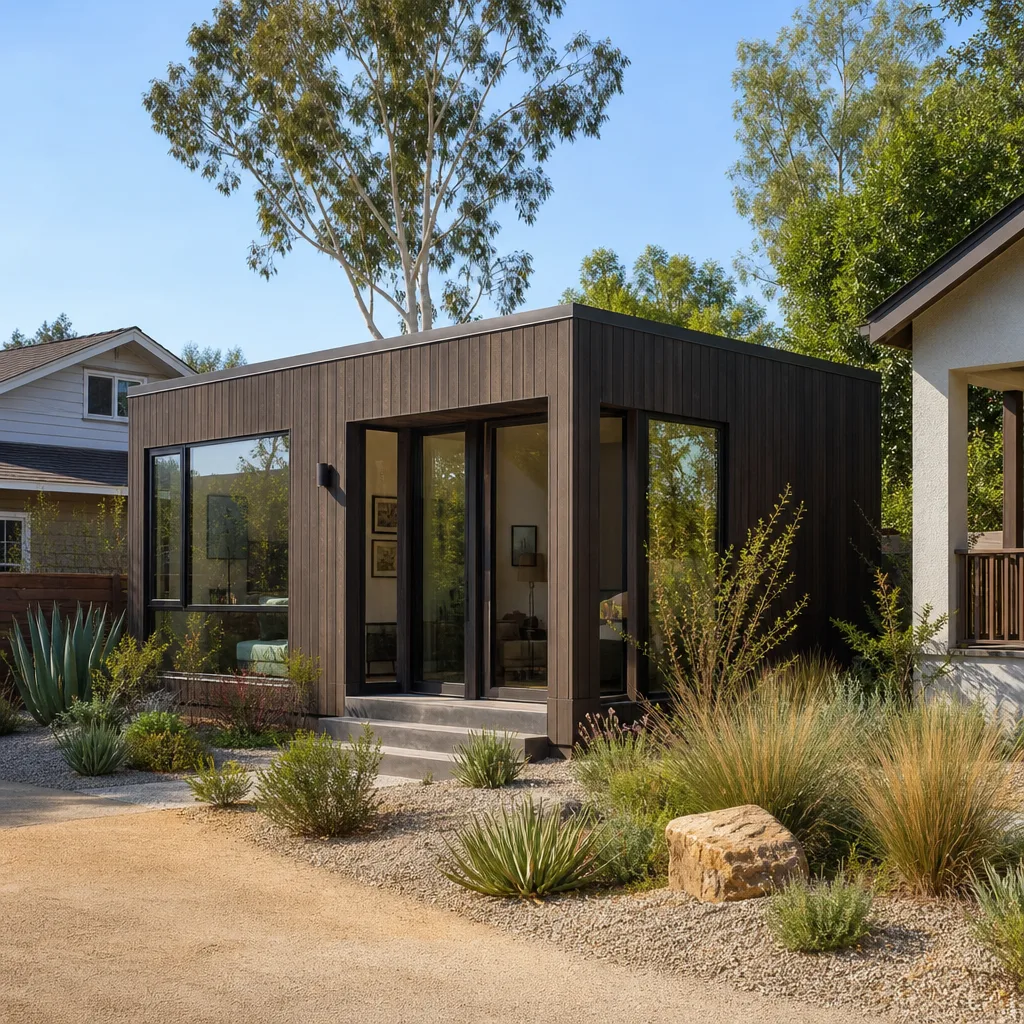
Call a professional ADU contractor in Rancho Cordova the moment you’re seriously considering adding a unit, not after you’ve already drawn plans or paid a designer. The format decision comes first, and the format decision depends on the lot, on the budget, and on how the permit process will actually run in Sacramento County. Get that conversation before you commit to any path.
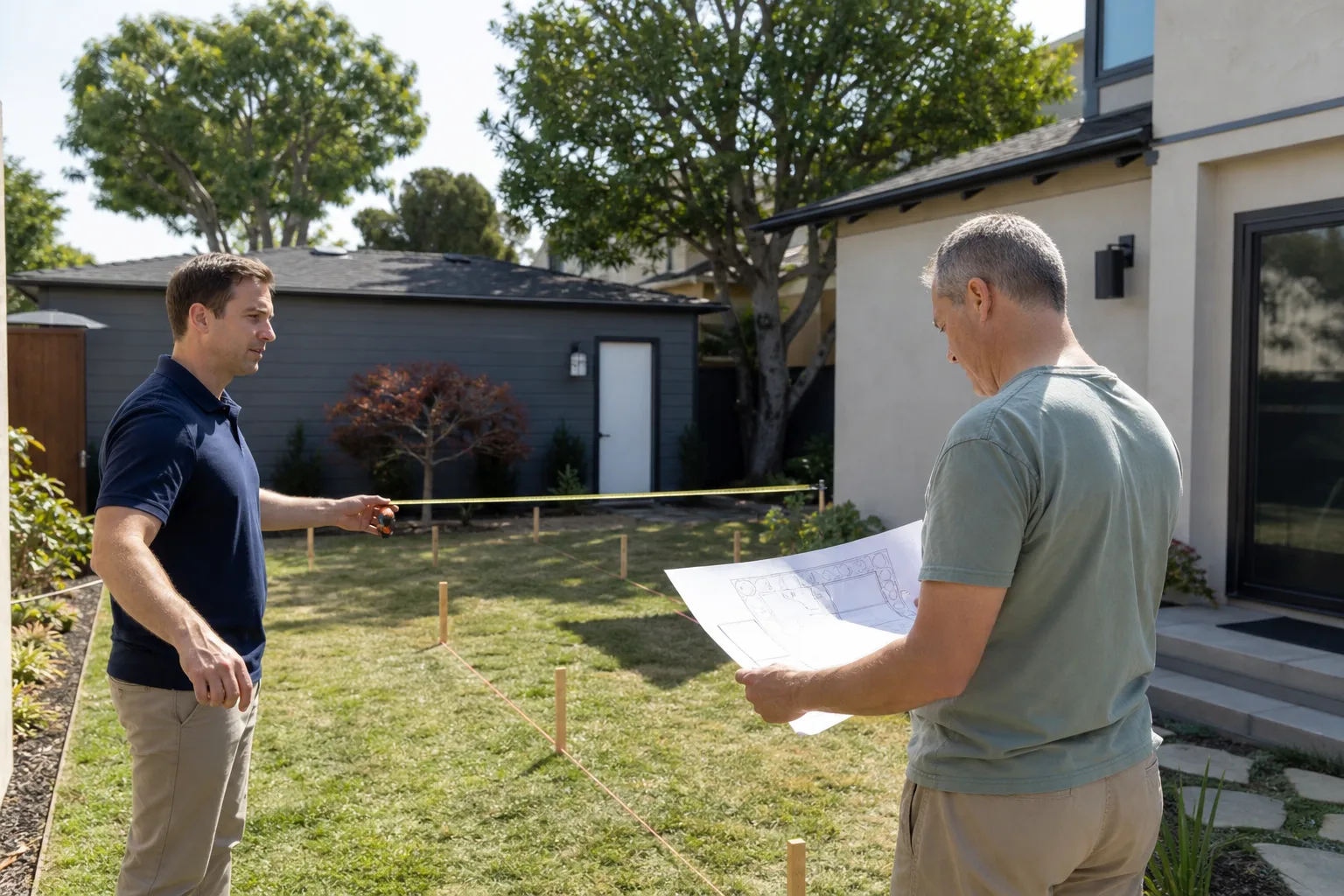
You should also call if you’ve already had a bid you aren’t sure how to read, if a contractor’s permit answer felt vague, or if you’re weighing a prefab unit against a custom build and want a straight comparison from one source. A free written estimate is the right starting point for all three. ADU Builder Rancho Cordova offers free estimates in Rancho Cordova, and you can reach us at (279) 321-8660.
Frequently Asked Questions
You can go either route. Design-build gives you one accountable party from plans through final inspection and eliminates the handoff gap where most ADU projects stall. Hiring an architect and a GC separately can work well if the designer is willing to carry plans through correction cycles. The important thing is that someone owns permit management end-to-end, because that’s where ADU projects most often lose time. Call (279) 321-8660 for an estimate and we’ll talk through which model fits your lot.
A B-General Building license is the standard for residential ADU construction in California, including detached units, garage conversions, and home additions. Plumbing, electrical, and mechanical work are performed under specialty licenses, usually by subcontractors working for the B-licensed contractor. Verify the license directly with the state licensing board before signing. Call (279) 321-8660 for a free estimate.
The permit should be pulled in the licensed contractor’s name unless you’ve deliberately chosen to act as your own general contractor. If the permit is pulled in your name, code compliance and correction responsibility shift to you, which is rarely what you want on an ADU project. Confirm the name on the permit line before signing any construction contract. Call (279) 321-8660 to discuss how we structure the permit in our contracts.
A properly written estimate should hold stable, with changes coming only from written change orders that you authorize. Plan-review comments on an ADU project sometimes require design adjustments, so the contract should spell out whether those are in scope or trigger a new written estimate. Get that defined before you sign. The written estimate sets the final price. Call (279) 321-8660 for a free, line-item estimate.
The full schedule depends on the format, the lot, and the permit path, so any single number is a guess. What you can insist on is a written schedule tied to permit and construction milestones rather than calendar dates. A contractor who can’t lay out the sequence in writing, from plan submittal through final inspection, is guessing. Call (279) 321-8660 and we’ll walk you through the sequence for your project type.
Yes, but the contractor piece doesn’t disappear. A prefab unit from Abodu, Cover, or Dvele still needs site work, utility connections, foundation or footing work, and a permit pulled and walked through inspection. The field construction scope is smaller than a custom build, but the permitting and site work still need to be handled. Call (279) 321-8660 for a free estimate that includes both the site scope and the permit scope.
The Bottom Line
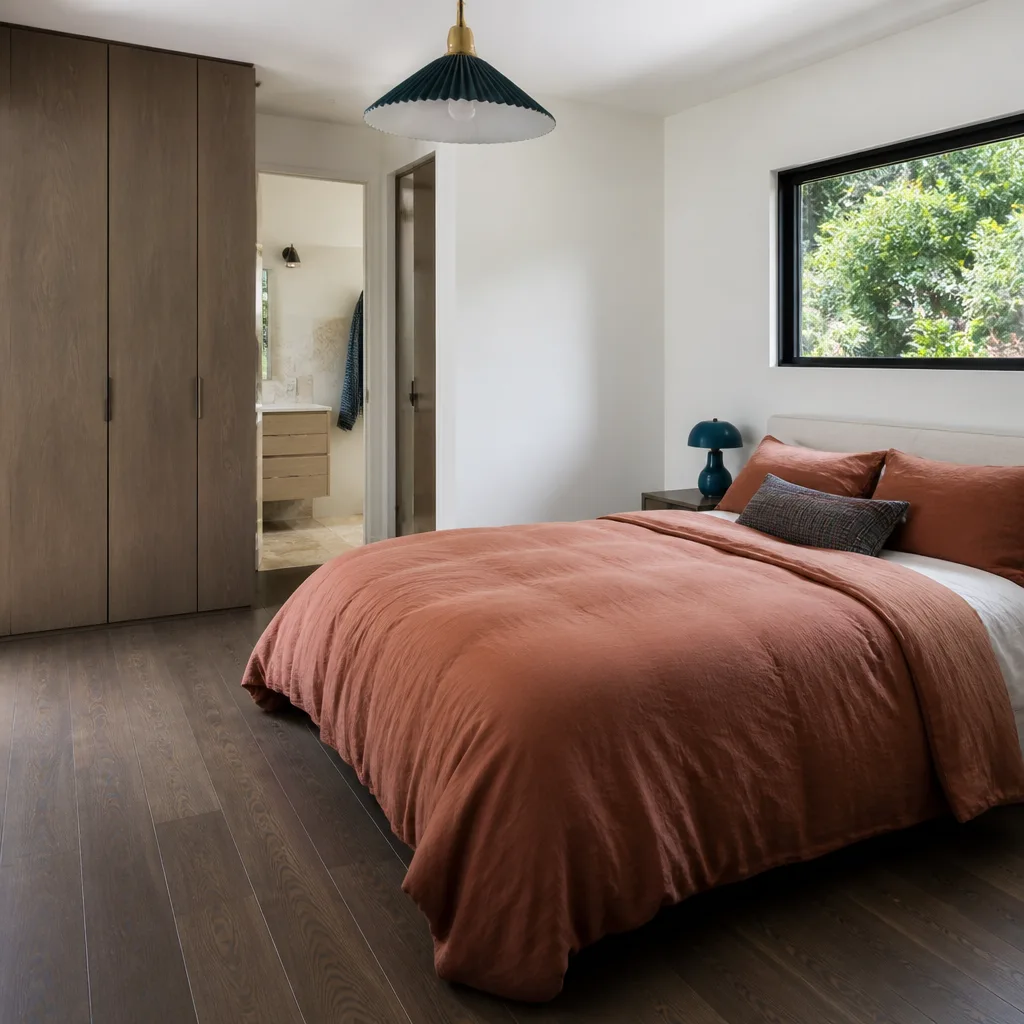
Hiring an ADU contractor in Rancho Cordova is a permit-fluency decision before it’s a price decision. Vet the contractor’s experience pulling ADU permits in Sacramento County, ask what their last correction notice said, confirm who’s on the permit, and tie your payment schedule to permit and construction milestones rather than calendar dates. Choose design-build when you want one accountable party from plans to final inspection. Choose a firm that works all formats, detached units, garage conversions, Junior ADUs, and home additions, so the recommendation fits your lot. Then compare prefab and custom options in one conversation, with the written estimate setting the final price. ADU Builder Rancho Cordova walks through all of it with a free estimate. Call (279) 321-8660. We answer 24/7. Fast dispatch from 7am to 7pm, Sunday through Friday.
Written by the team at ADU Builder Rancho Cordova.